Behind its quiet facade on Avenue Laurier Ouest, Jun I slips into a small, softly lit room, almost pared down to the extreme. A large cut tree trunk stands against the wall, the modern-design chairs seem to glide across the floor, and discreet Japanese-style curtains separate the doorways, like in an izakaya in Japan. The bar itself was once the restaurant’s sushi counter, converted into a bar. The original design is by Jean Pierre Viau; over the years, Pascale Girardin has added a few contemporary touches.
The soul of the place is Junichi Ikematsu (the name “Jun I” directly evokes his own). Originally from the Kansai region, he arrived in Quebec in 1989. He wasn’t trained in the kaiseki tradition of his hometown, but in classic French cuisine. This dual culture comes through on the plate, with a hot kitchen that sometimes speaks with a slight European accent, while the sushi and sashimi keep their traditional purity.
He opened Jun I in 2005 with his partners Ped Phimphrakeo and Jonathan Daunais, at a time when good Japanese cuisine was still rare in Montreal.
The menu is divided between nigiri, sashimi, starters, composed makis and the chef’s omakase menu. (Red tuna nigiri at $11, organic salmon at $11, Spanish mackerel at $9.75, red tuna tartare at $21, “unagi dynamite” maki at $16.50.) The Junichi San omakase that I discovered is listed at $130 per person. Certain fish not found locally, such as striped bass, Arctic char and red tuna, have been reported as imported directly from the Fukuoka market on the island of Kyushu, while the sea urchin, scallops and snow crab come from here.
Jun I has appeared several times in the ranking of Canada’s 100 best restaurants (44th in 2017, 24th in 2018, and again in 2022) and has its own entry in the Michelin Guide Quebec.
My omakase experience at Jun I
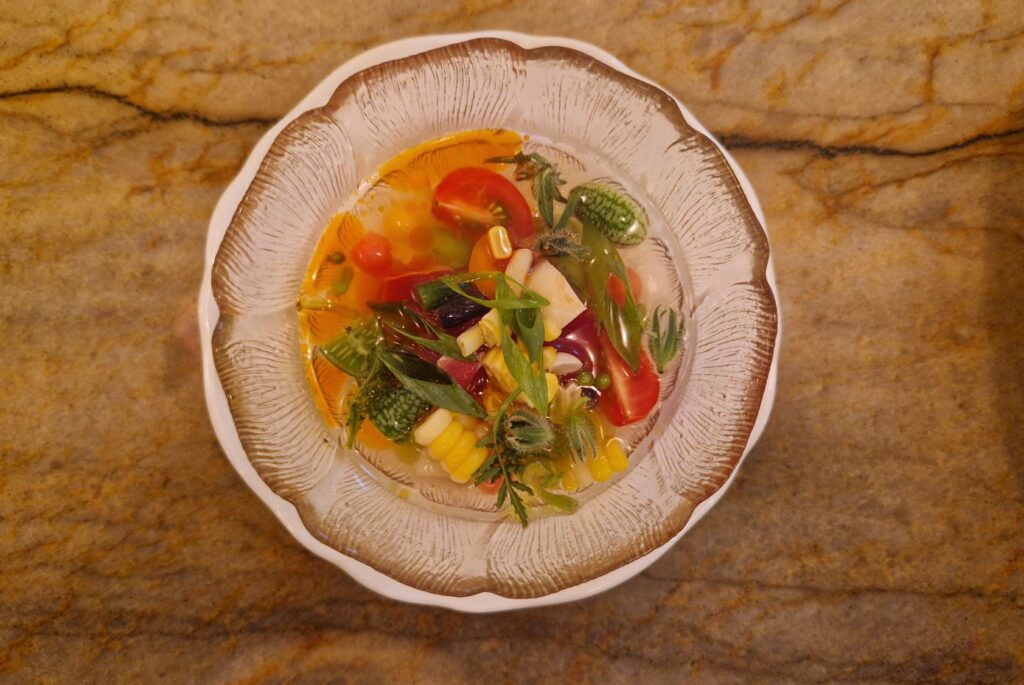
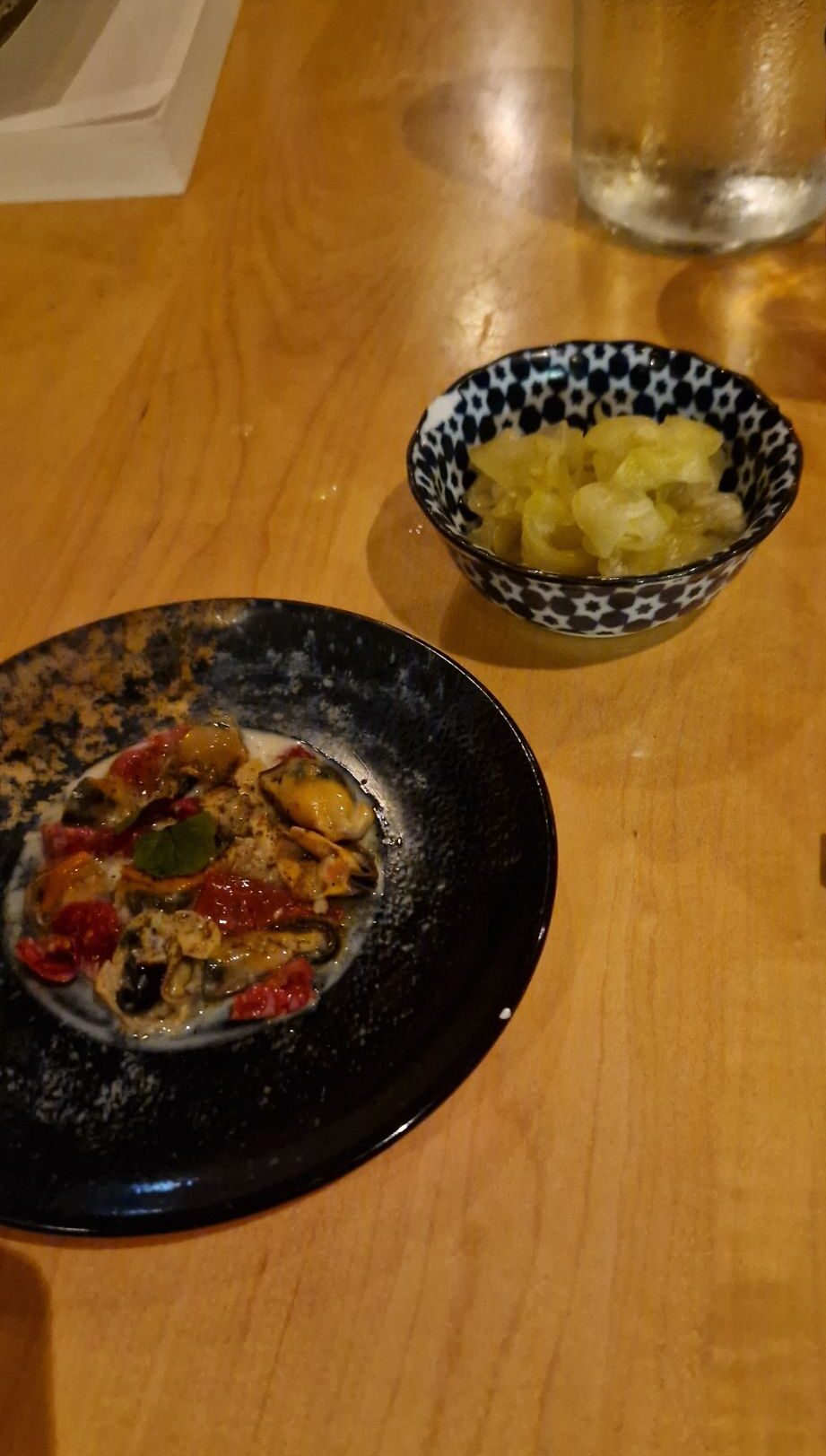
The first plate announces a murugai. Fresh mussels, whose iodine rubs up against the sweetness of fermented strawberries and confit cherry tomatoes. The sugar doesn’t soften the dish, it gives it depth, a round umami that settles in the mouth. On the side, a small, well-vinegared salad echoes the shiso-basil vinaigrette. A very good start, lively and fresh.
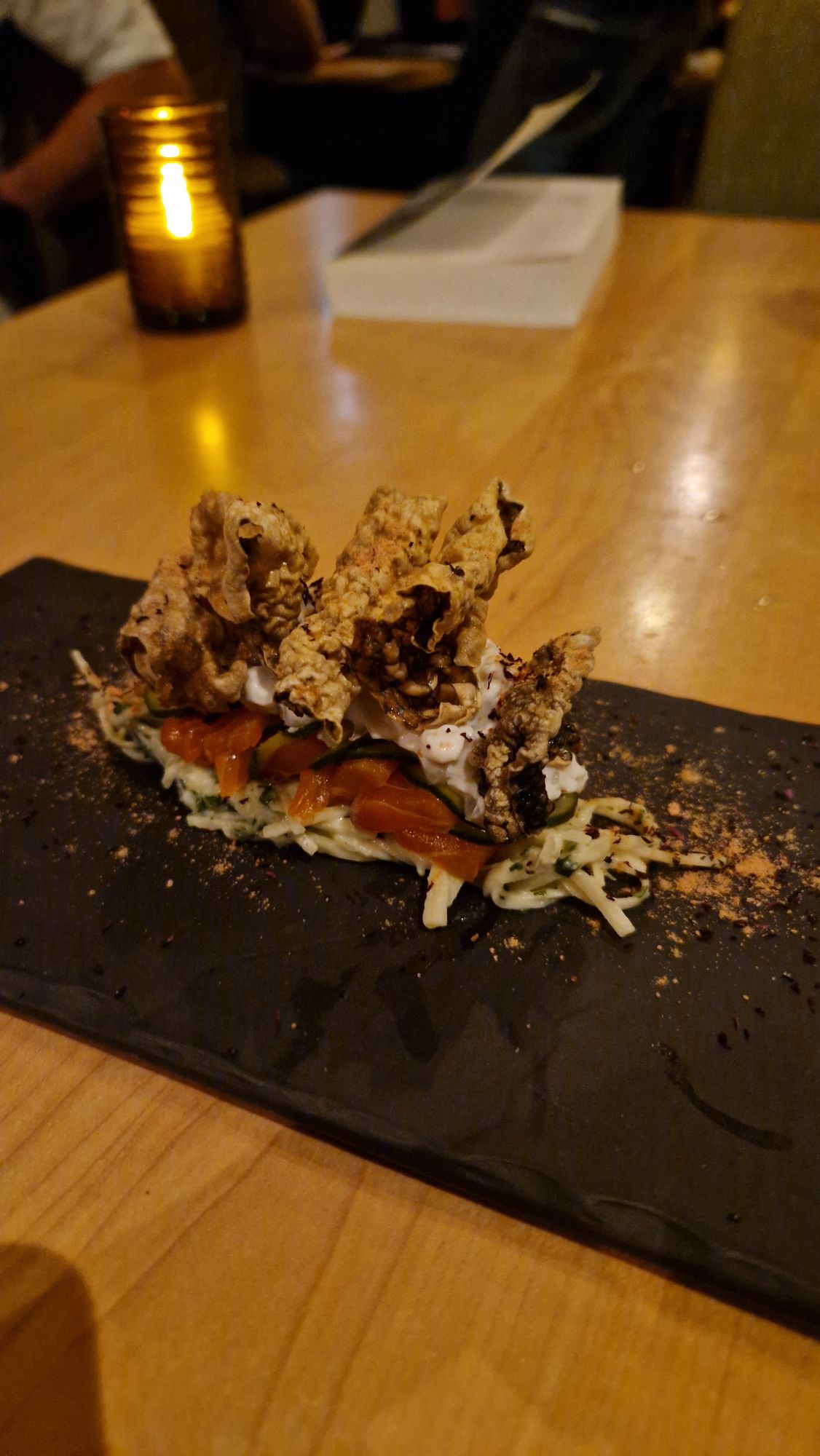
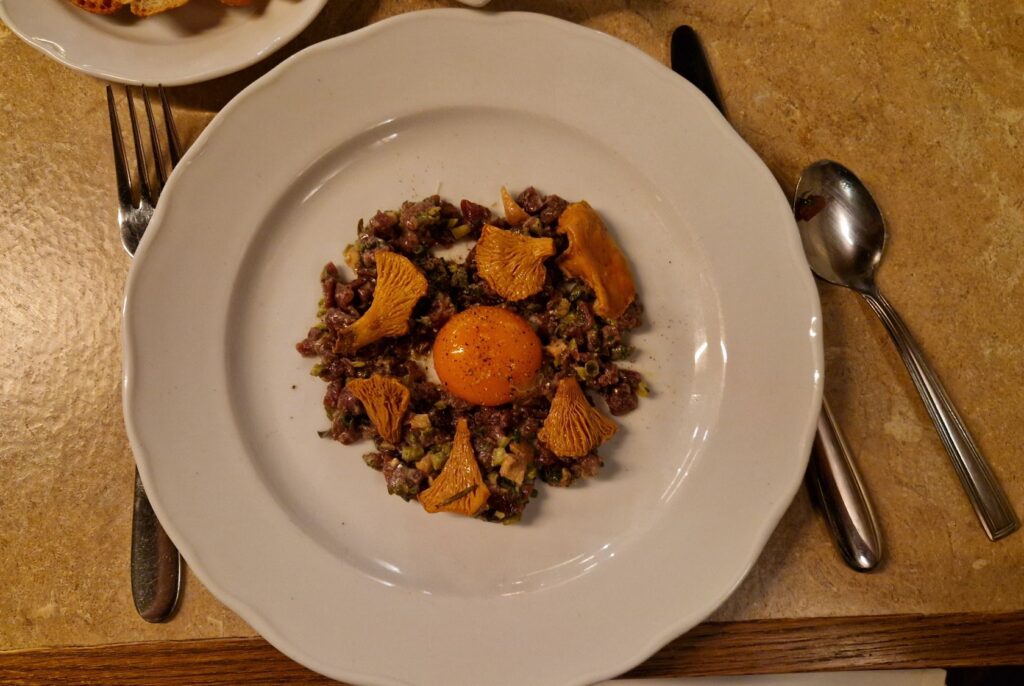
Next, smoked trout, zucchini, parsnip rémoulade, a yamaimo (mountain potato) yogurt sauce and takuan, that bright yellow pickled radish, all topped with salmon skin chips. This dish is an interesting play of textures, with the crunch of the fried salmon skin, with its hazelnut flavor, against the creamy freshness of the yogurt. I have to be honest, though. The trout, though fresh, almost fades into the background, overshadowed by a parsnip that comes forward with a little kick. The real challenge of the dish is putting together the perfect bite.
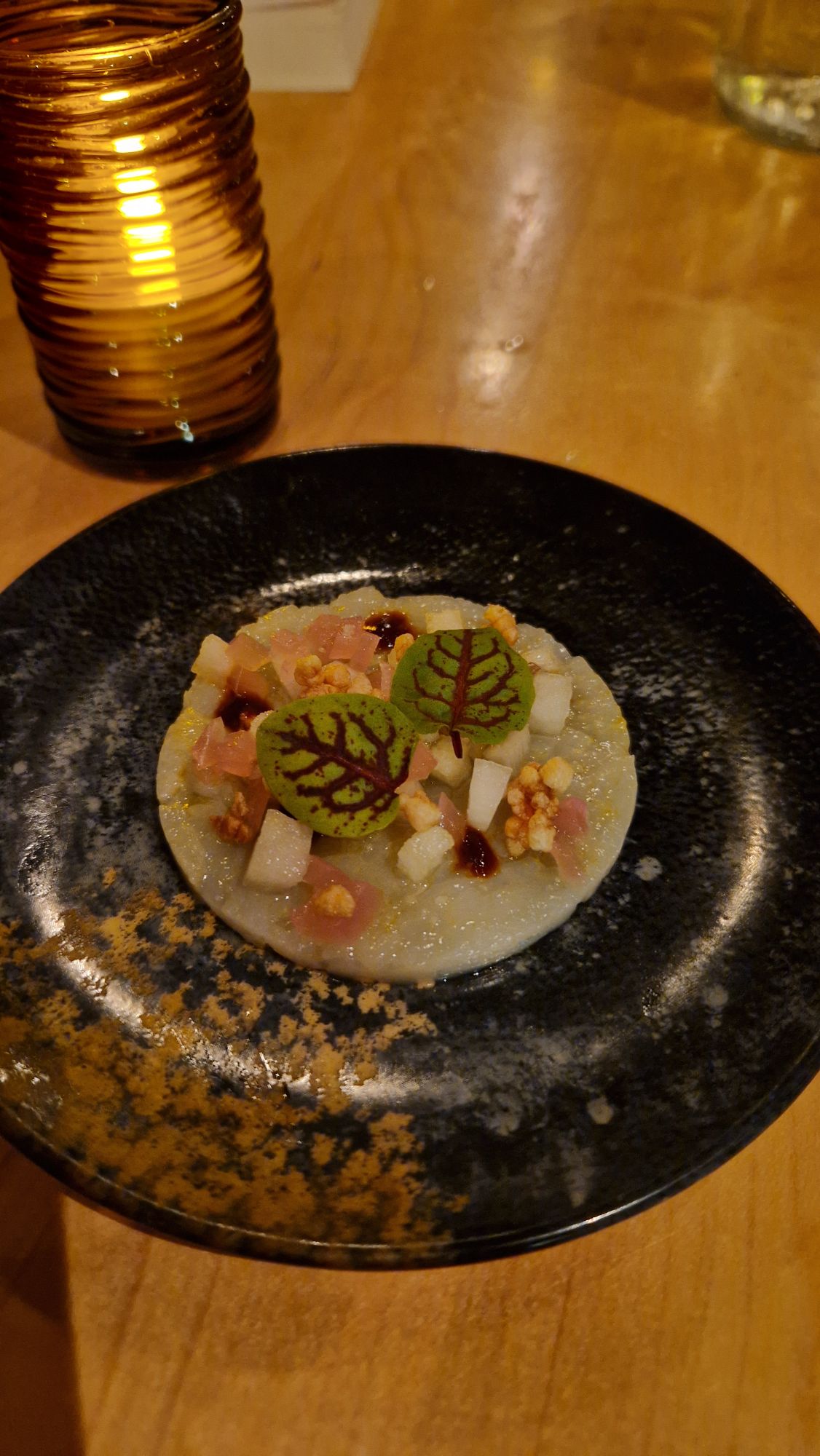
The kobujime scallop, cured under kombu, offers a lovely marine, slightly briny flavor. The pear, pickled red onion and ground cherry bring a little sweetness. The chili, for its part, is very discreet, almost absent, while the puffed rice provides the crunch. A pretty dish, all about freshness.
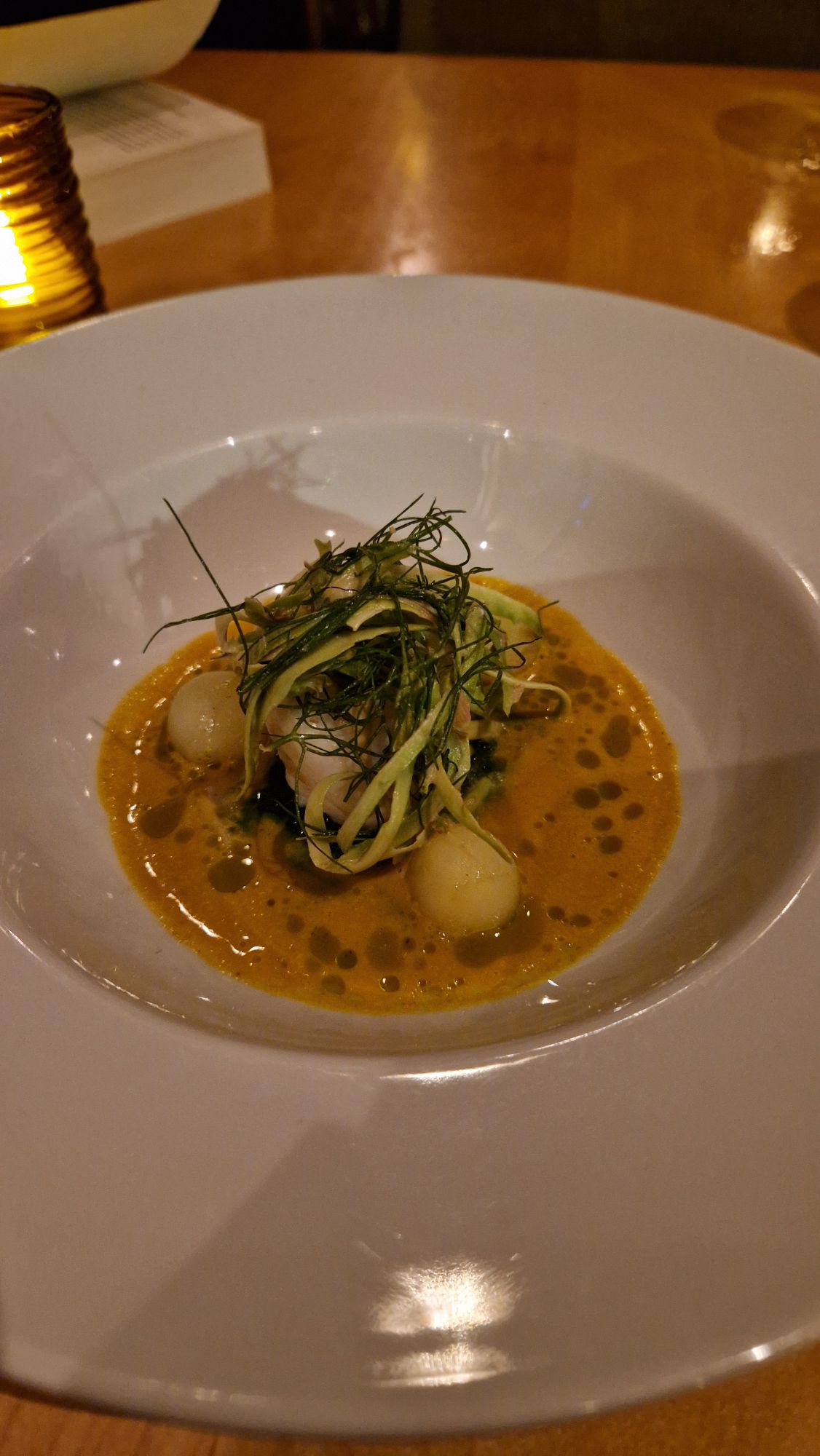
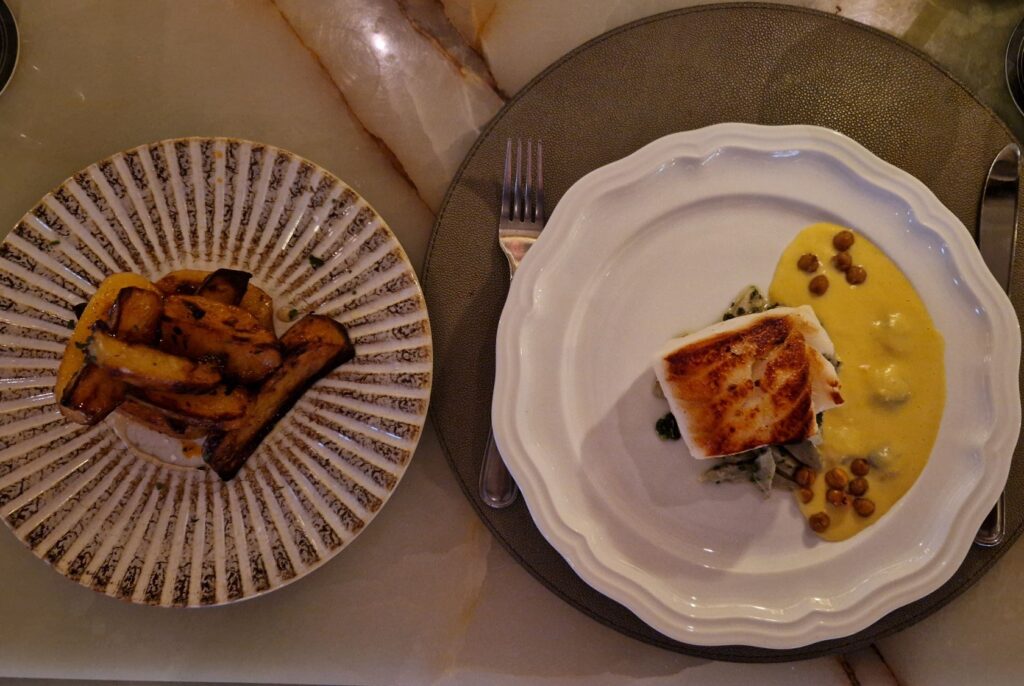
Then comes the Ohyo curry. The halibut arrives with a lovely aroma of curry and fennel, in bold colors. It is cooked to perfection, flaking apart without ever being dry. All the harmony comes together the moment I mix the spinach purée into the curry velouté with a stroke of the spoon. Beneath the asparagus and fennel, the blend seems to soften the explosion of flavors. My favorite dish of the evening.
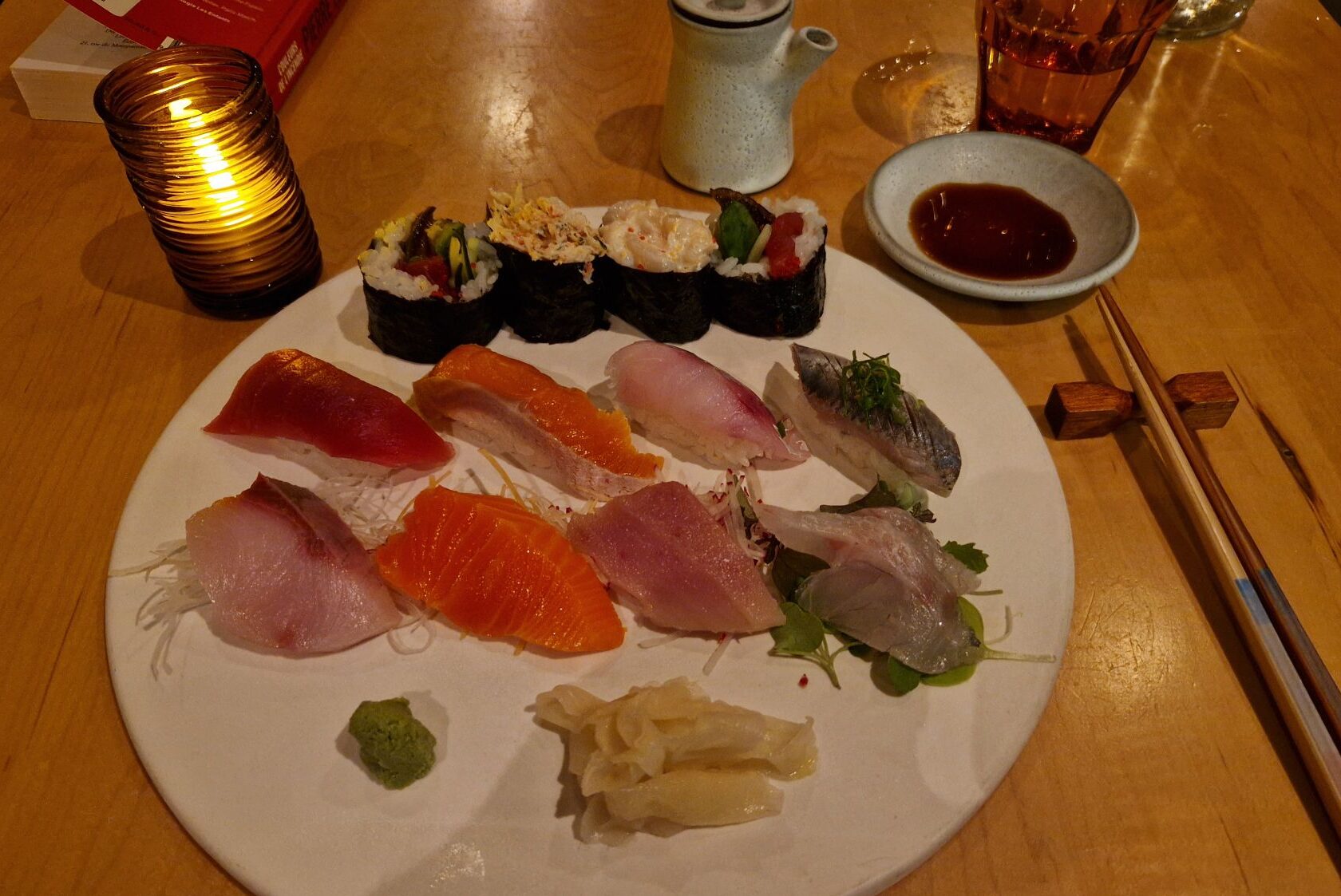
Finally comes what many people come here for: the sushi assortment. It lets me wander through these different pieces:
Tuna maki, spicy mayonnaise. Perfect rice, lightly lifted with puffed rice, and an avocado that brings depth.
Spicy red tuna cone. The crab is subtle, very hard to detect; the spices too. I’ve never really liked the cones. The balance is too dominated by the nori seaweed. A small joy: the ginger served with it is frankly good.
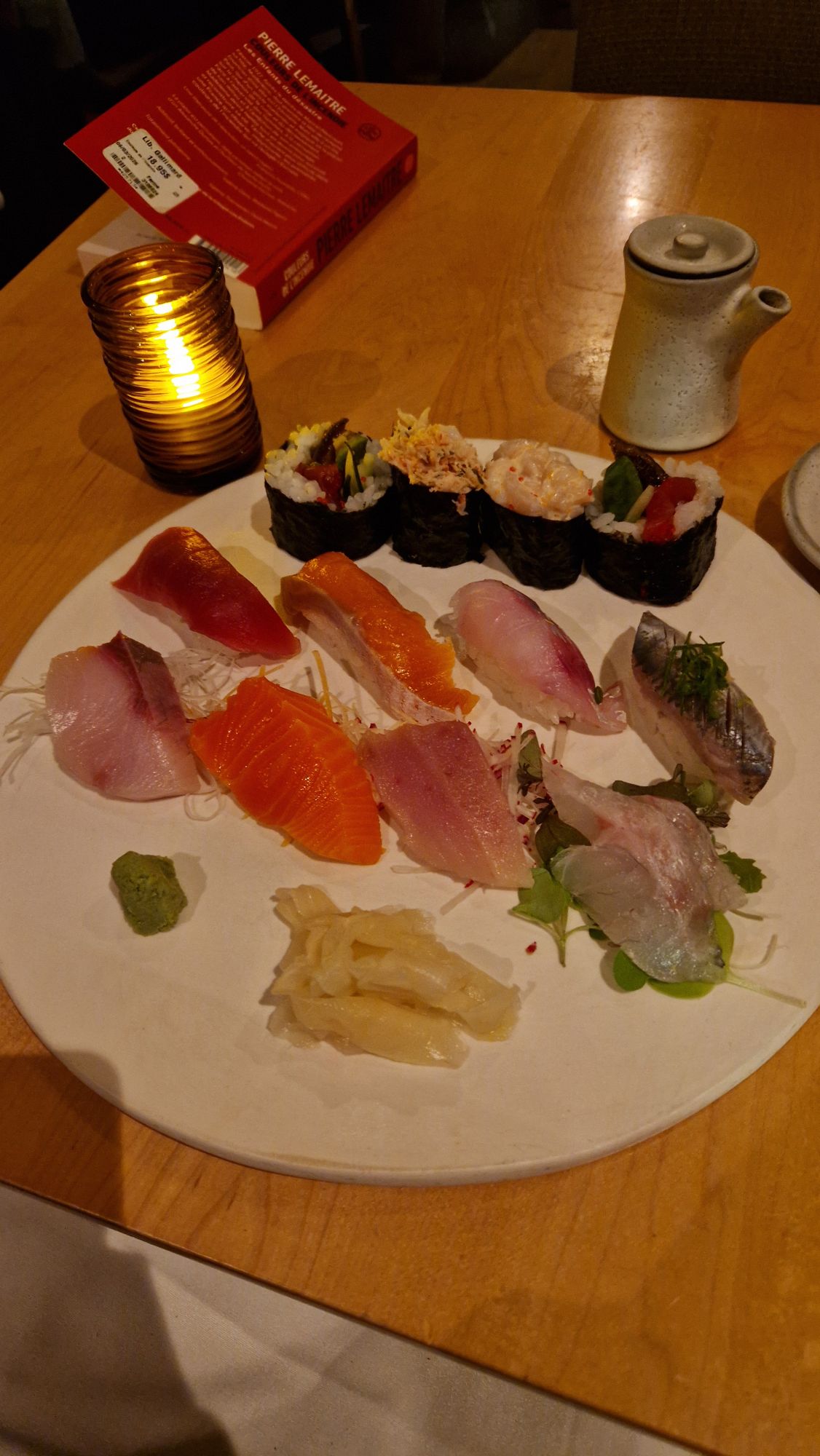
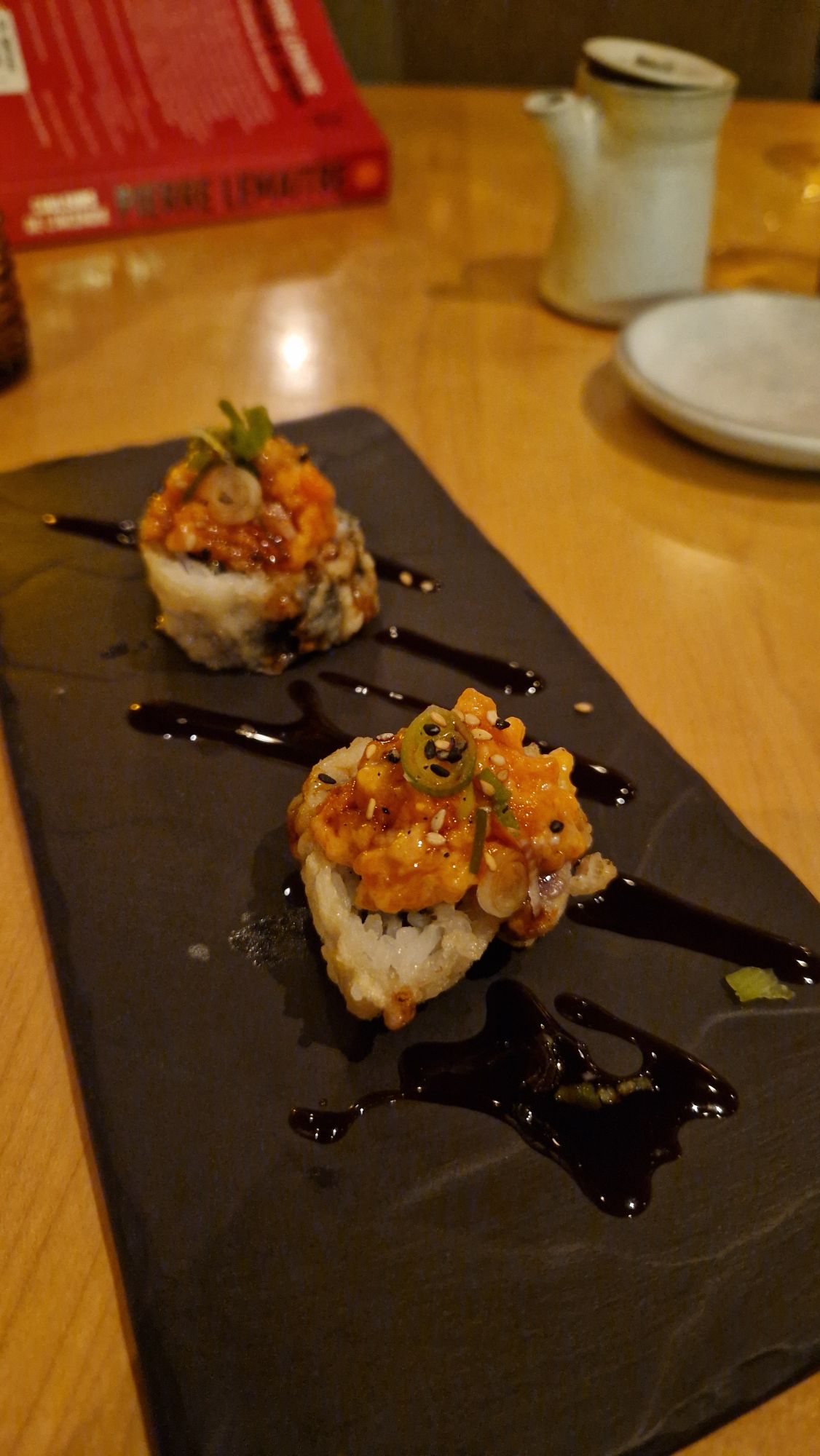
Eel, tuna, avocado maki. A slight disappointment, because I love eel, but its flavor became a bit too discreet in the whole.
Snow crab and scallop maki. The scallops are ultra creamy, almost benevolent, and the snow crab comes through clearly, which makes for a pleasant change from the previous cone.
Sushi of red tuna, Japanese sardine, Arctic char and albacore. The rice-to-fish ratio matches what I tasted in Japan, with the wasabi tucked between the rice and the fish. I do regret the lack of seared sushi, for example a seared mackerel.
Sashimi of striped bass, salmon, yellowtail and Arctic char. Generous and very fresh. The fish is truly of very high quality.
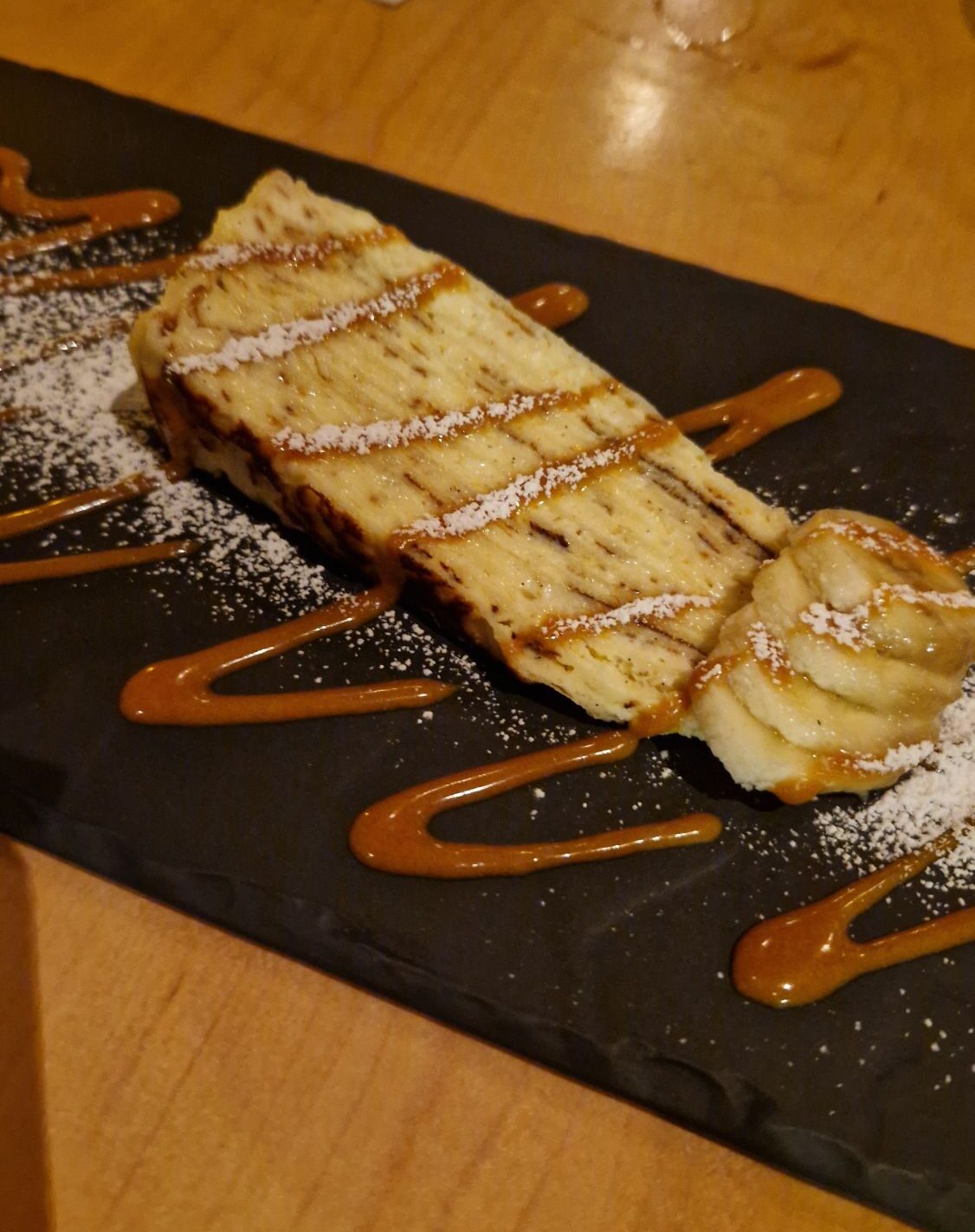
To finish, a mille-crêpe with vanilla cream and salted butter caramel, served with pieces of banana. The caramel is a little too bitter for my taste. A dessert that is simple in appearance, but demands an enormous amount of patience behind the scenes, and rounds off a series of precise dishes well.