At Beba, the cuisine tells the story of immigration. Formerly a chef at Liverpool House, Ari, alongside his brother Pablo, brings the full essence of their Argentine and Jewish roots to the table.
Ranked seventh at the time of writing in Canada’s Top 100 restaurants, Beba belongs to a more confidential, under-the-radar category of dining. A large bar takes up nearly half of the space, leaving room for only about thirty seats. The experience feels like a neighborhood restaurant, where guests lean against the counter with a direct view into the kitchen.
The menu moves between Jewish specialties and Italo-Iberian influences, with a format designed for sharing. The portions, similar to tapas, encourage variety and exploration. In our case, we shared five dishes between two people, for a total of around $70 each.
My experience at Beba restaurant
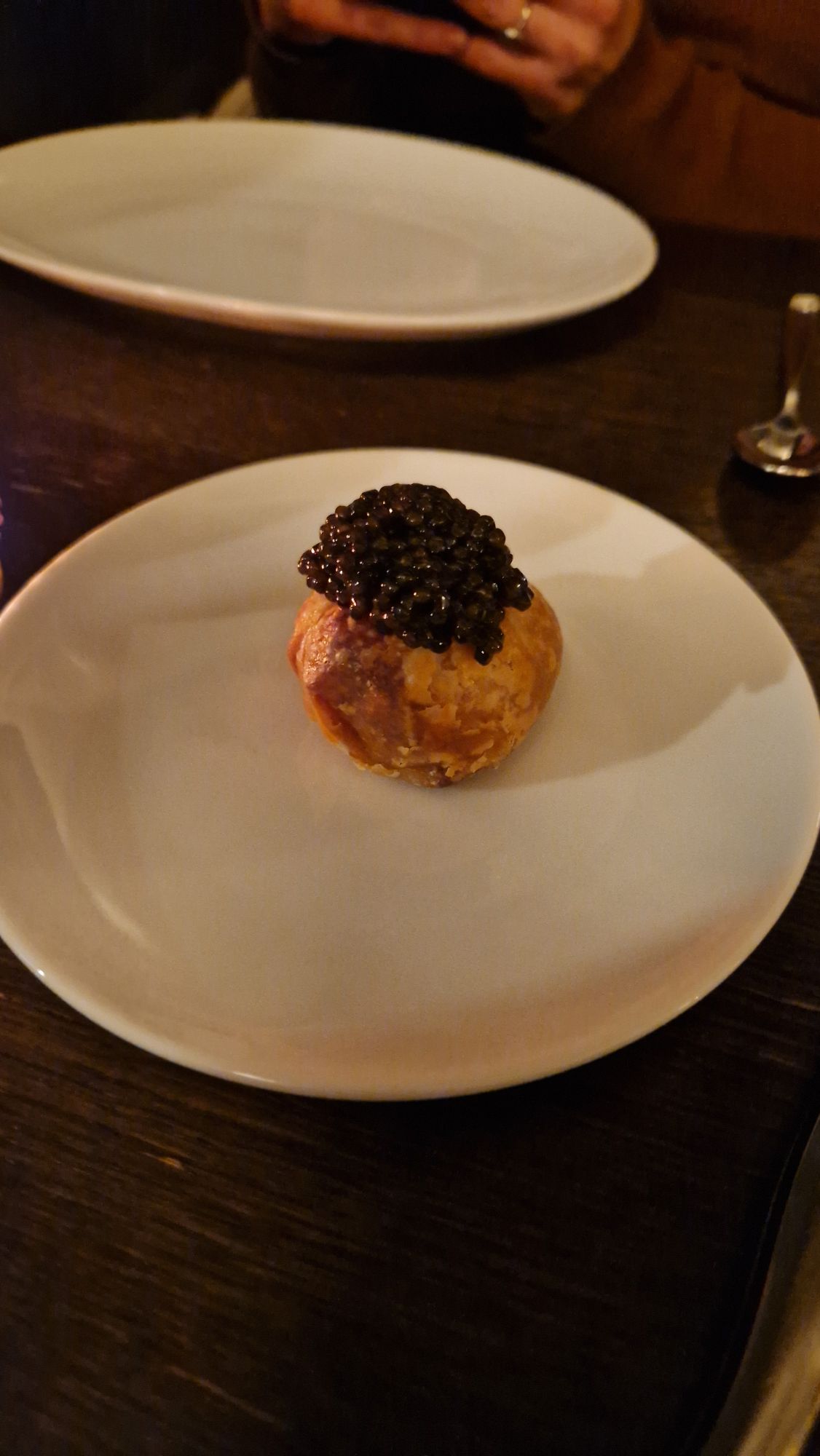
I begin with the well-known knish topped with Osetra caviar. This emblematic dish of Ashkenazi Jewish cuisine, traditionally very simple and potato-based, plays here on a strong contrast. Set on a soft, almost melting base, the caviar brings a saline, iodine-rich touch that extends the mouthfeel. While the pairing works visually and symbolically, it doesn’t, in my opinion, add significant culinary depth.
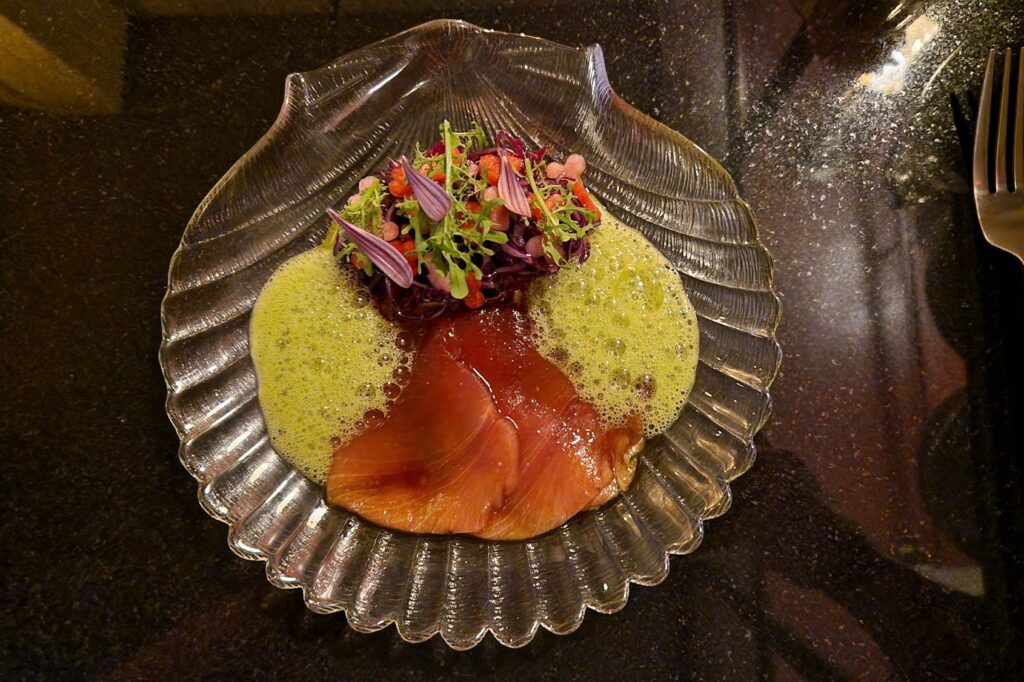
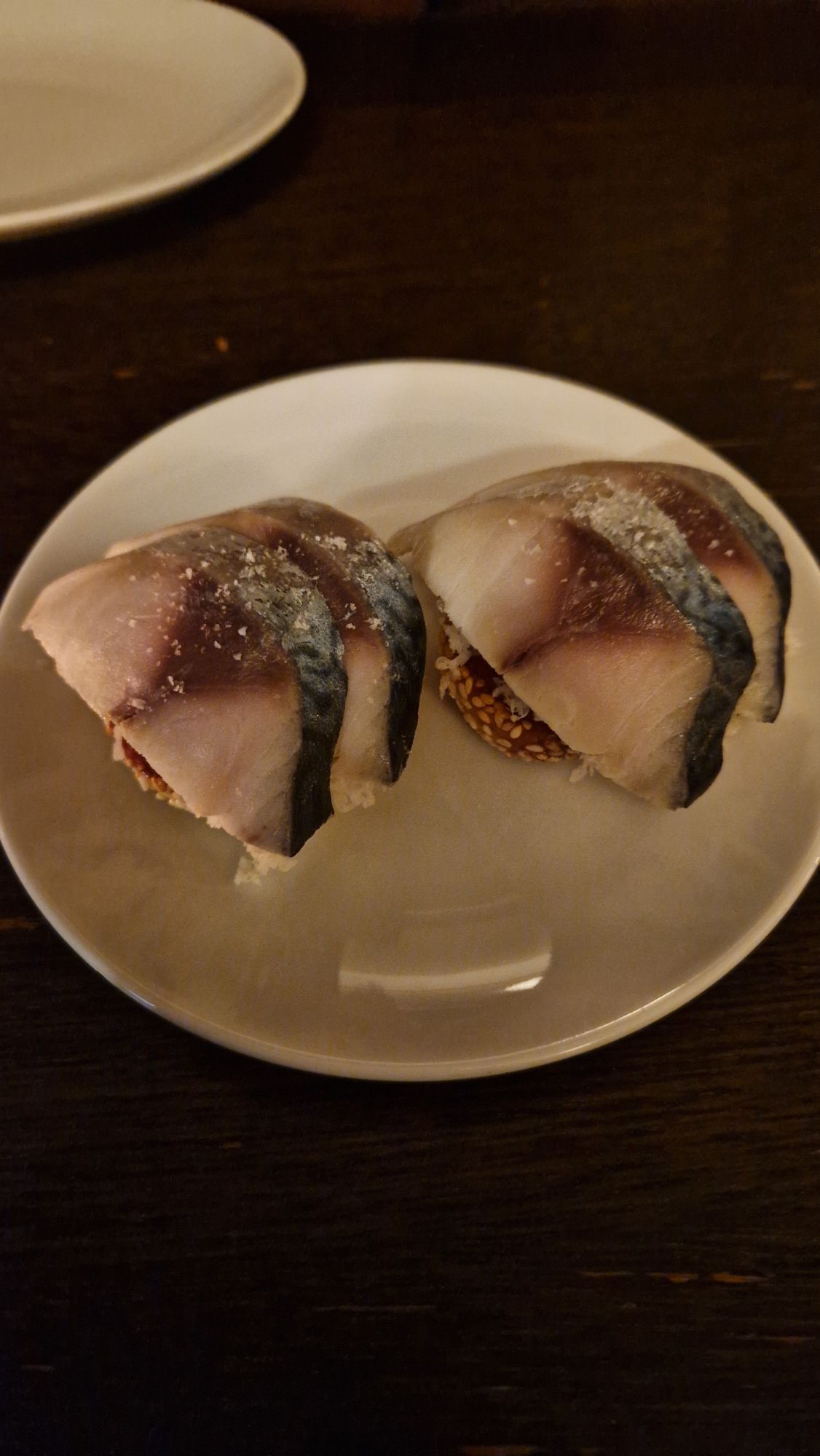
The meal continues with a raw mackerel montadito, lightly marinated, served on sesame bread with a horseradish sauce. Everything is about balance here; the heat is subtle, barely grazing the nose, while the overall composition remains harmonious. A simple yet perfectly executed tapas, and my highlight of the evening.
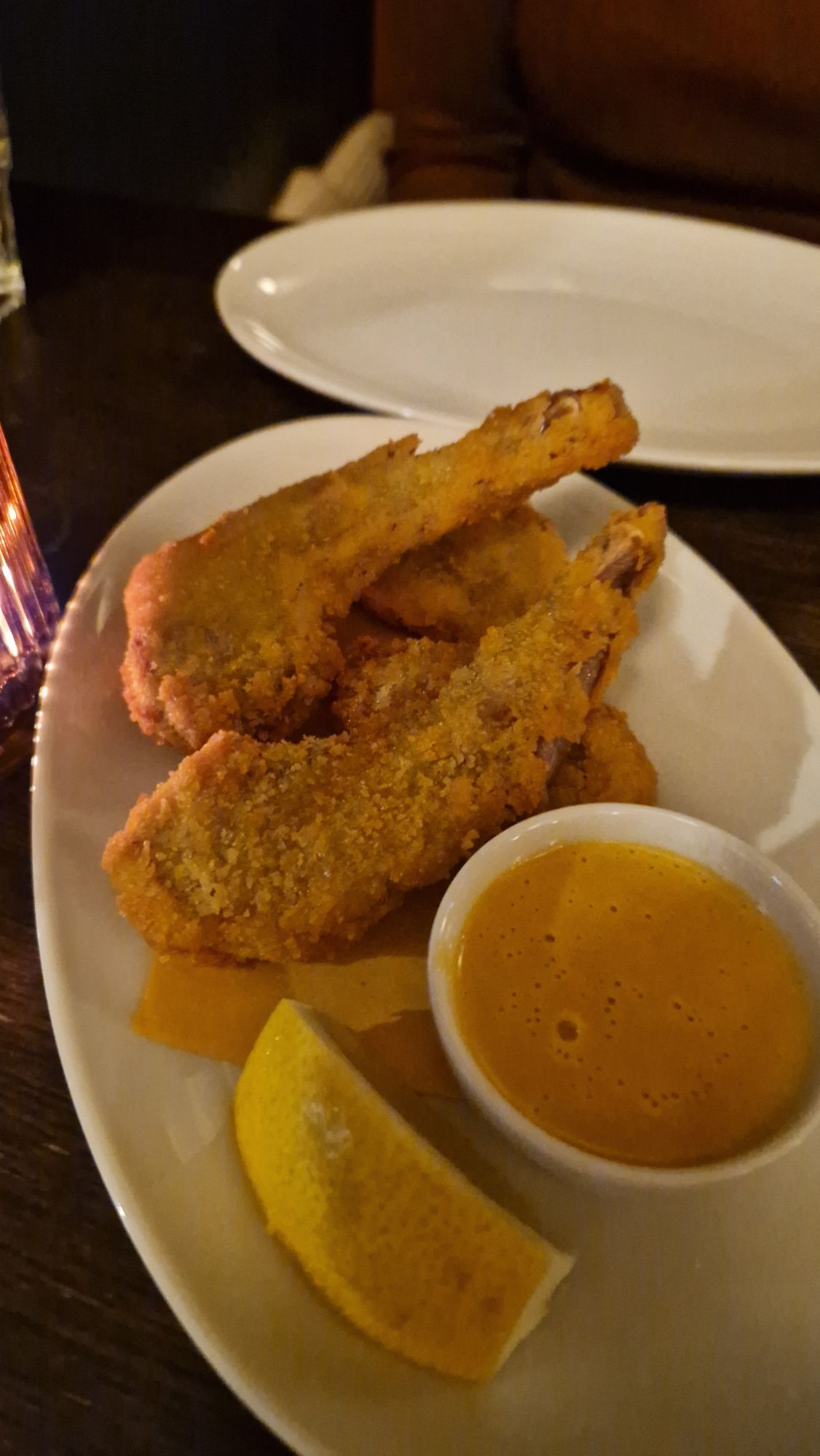
We then move toward a more bistronomic style with fried rabbit wings (shoulders). The texture is light, almost airy, accompanied by an Albufera sauce made with foie gras. The sauce remains deliberately restrained, allowing the product to shine. The rabbit, tender beneath its crisp coating, is particularly well executed.
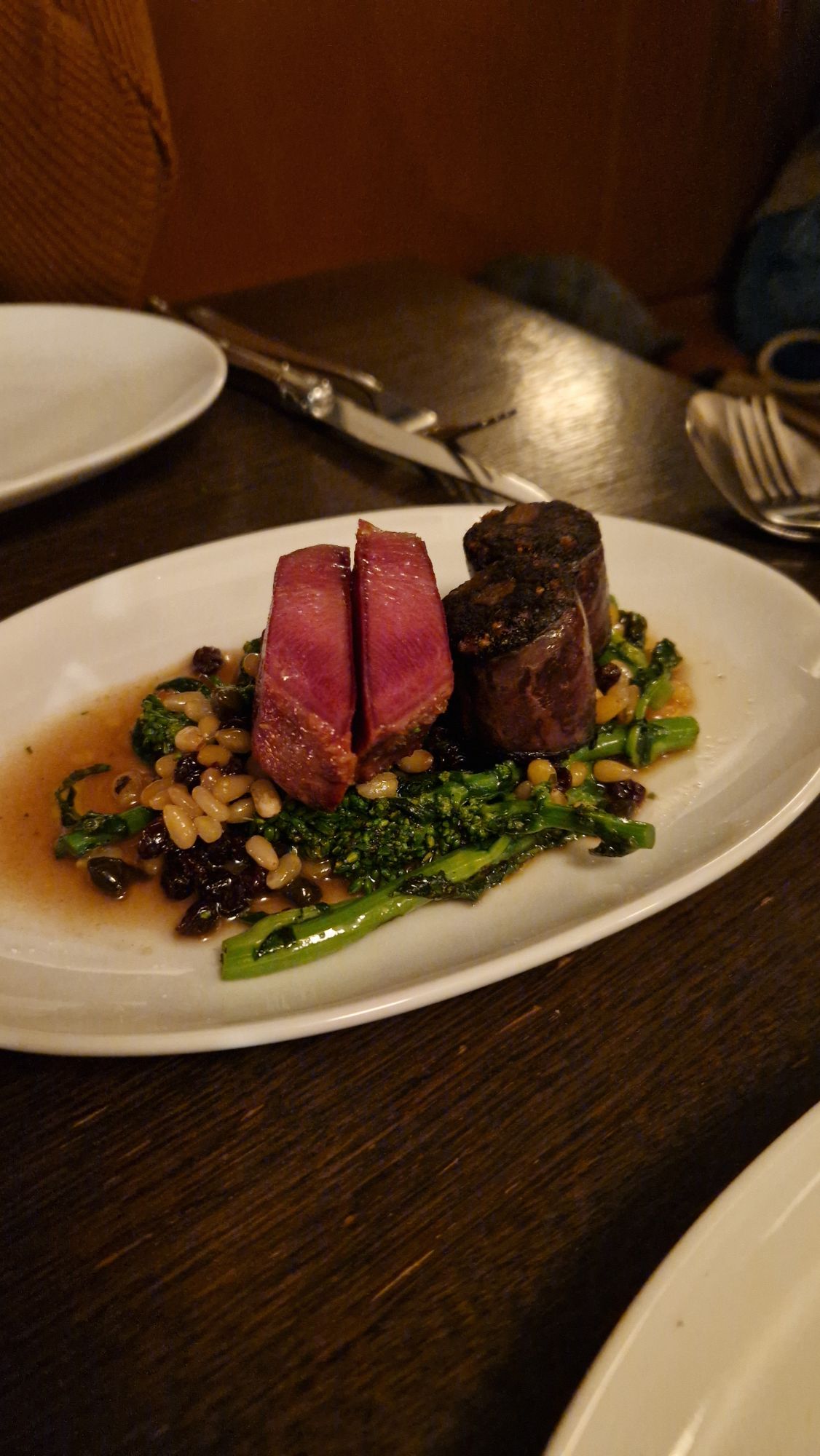
More substantial dishes follow, including lightly caramelized beef tongue served with morcilla sausage. Very close to blood sausage, it delivers deep, earthy, almost animal notes. The dish is set over rapini (long-stem broccoli), with a deglazed sauce made from raisins and pine nuts. While technically excellent, the sweetness of the sauce slightly softens the intensity of the beef tongue, in my view.
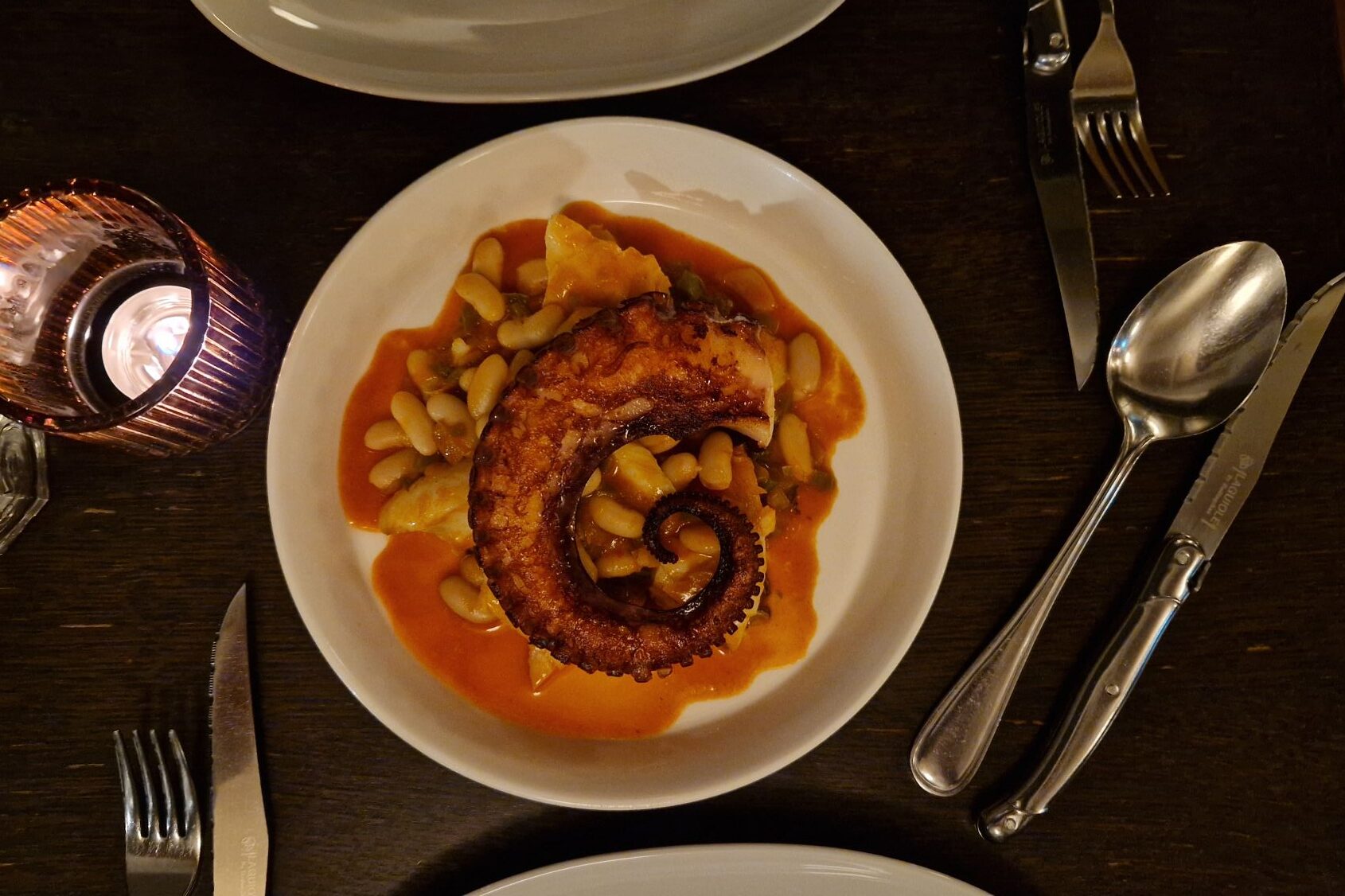
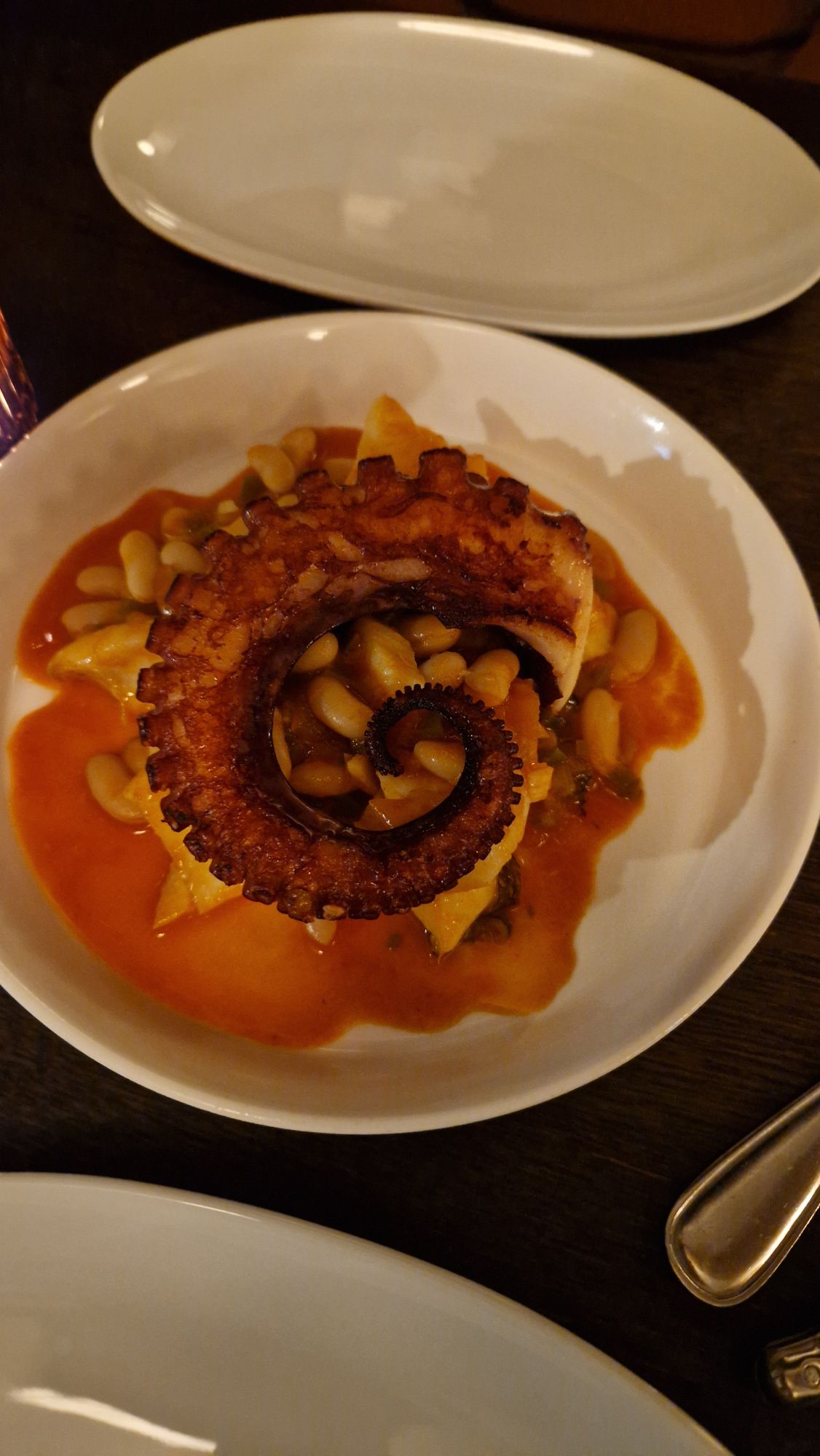
Finally, the main course features braised octopus, just tender, paired with bacalao in ajoarriero, a preparation with Portuguese influences. The cod remains intentionally subtle, allowing the depth of the beans and peppers to come forward. A generous dish that could almost benefit from a larger portion.
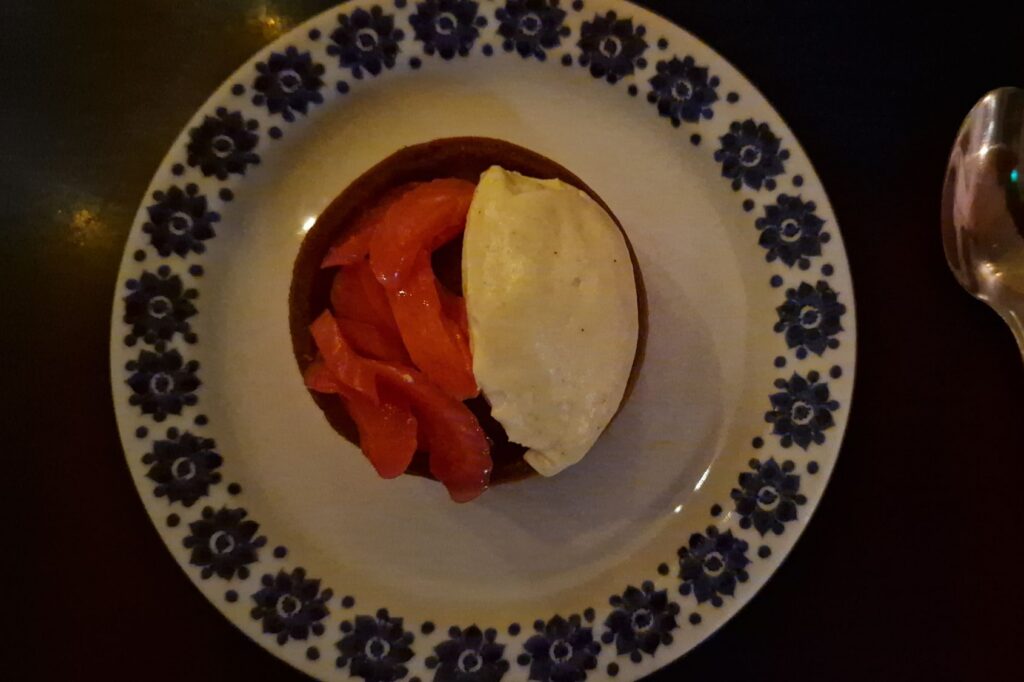
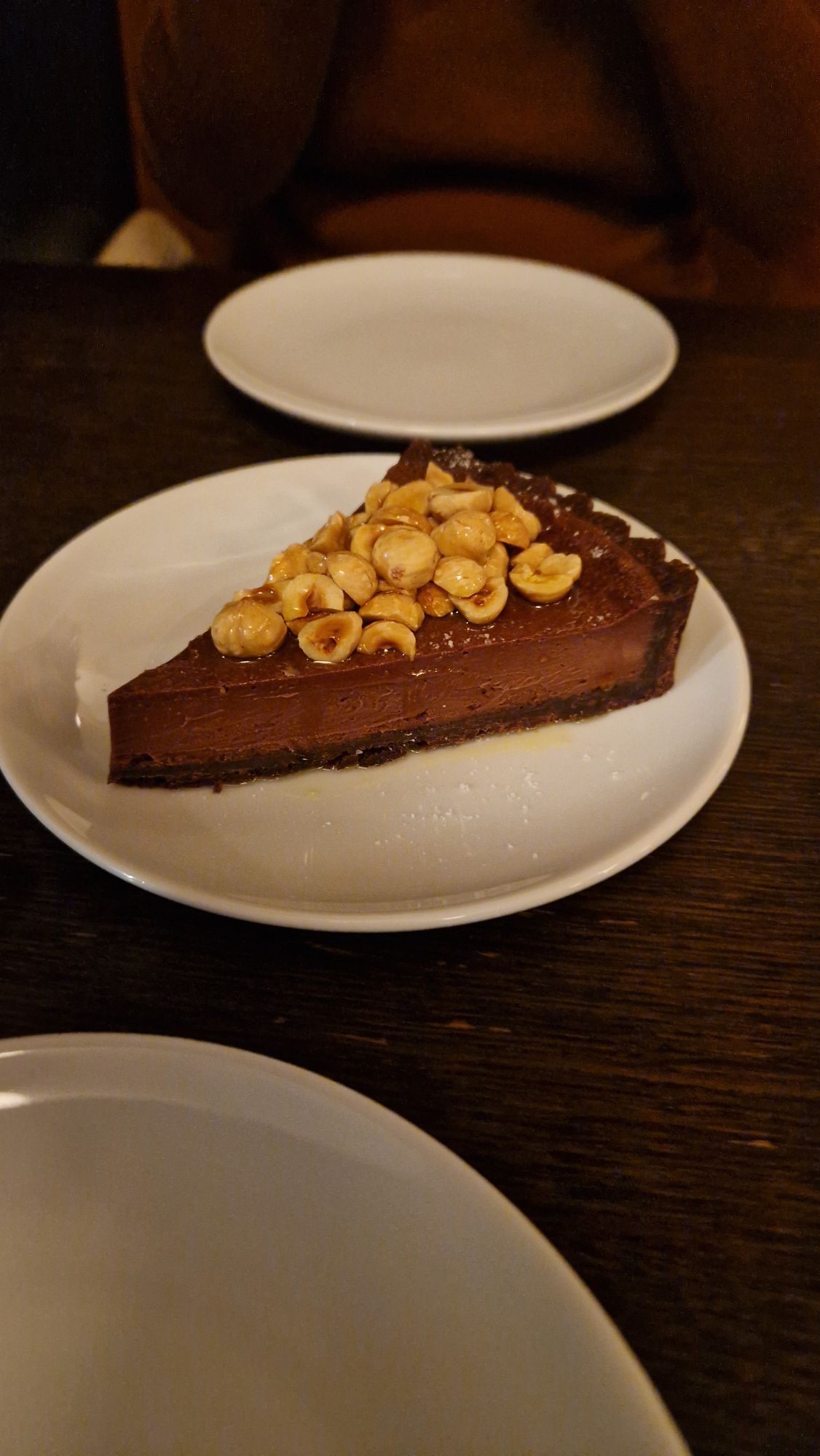
To finish, the Valrhona chocolate tartlet, paired with roasted hazelnuts and a drizzle of olive oil, delivers a well-composed finale. The chocolate lingers nicely on the palate, extended by the nuttiness of the hazelnuts, while the olive oil adds an unexpected and distinctive twist. An unusual pairing, but a coherent one.