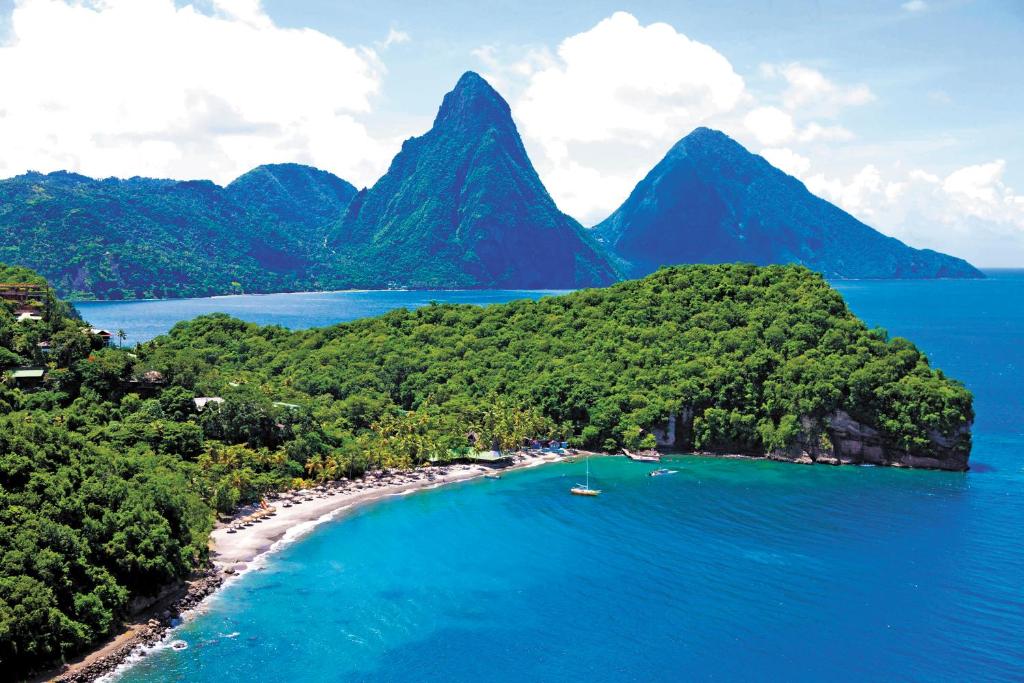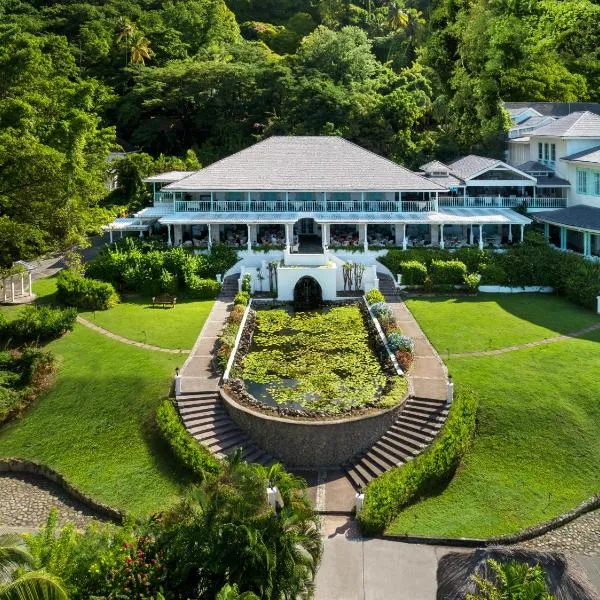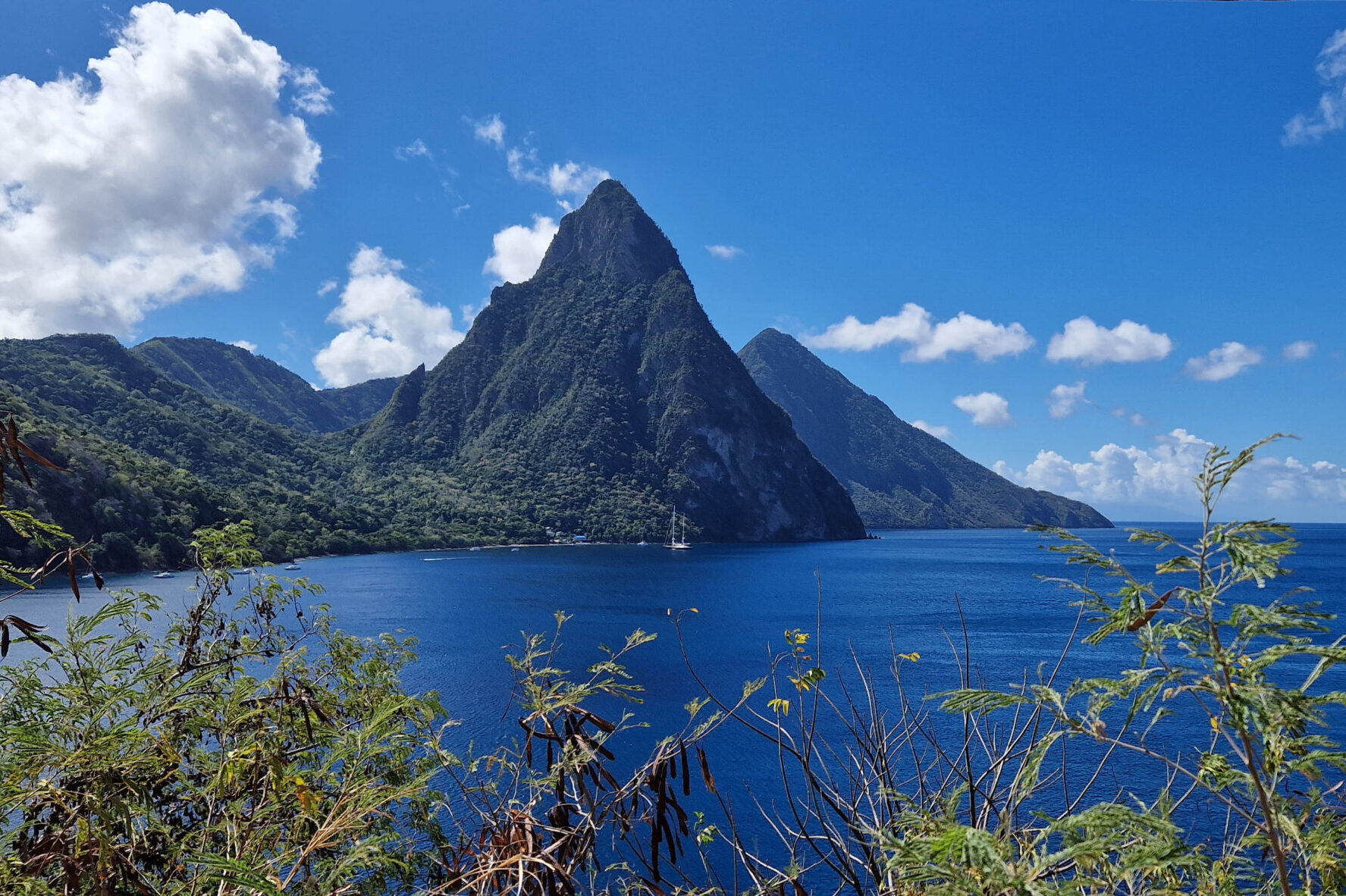
Saint Lucia has everything you could imagine in a tropical paradise: endless sandy beaches dominated by the spectacular silhouettes of the two Pitons, volcanic icons listed as a UNESCO World Heritage Site. This Caribbean island, long contested between the French and the British, still bears the marks of its turbulent history, both in its architecture and its Creole culture.
The island has two airports, a detail that often confuses travelers planning to visit Saint Lucia. George F. L. Charles Airport, located in Castries, the capital, is mainly used for regional flights, while Hewanorra International Airport in Vieux-Fort, in the south, handles most international flights. The latter often requires crossing the entire island, but it also offers a spectacular first glimpse of its lush landscapes.
Upon arriving in Castries, I quickly understood how to get around efficiently. A vast network of local minibuses, identifiable by plates starting with an “M,” allows you to reach almost every corner of Saint Lucia for just a few dollars. It’s the most authentic way to travel, but you must pay attention to the schedules, which are often approximate, especially later in the day.
Taxis are widely available, especially near tourist areas. Some drivers are professional and friendly, while others do not hesitate to take advantage of inexperienced travelers, sometimes insistently. It is essential to agree on the fare in advance. And if you find a reliable driver, keep their number, as it will quickly become your best ally for exploring Saint Lucia with peace of mind.
Castries: the historical and vibrant heart of Saint Lucia
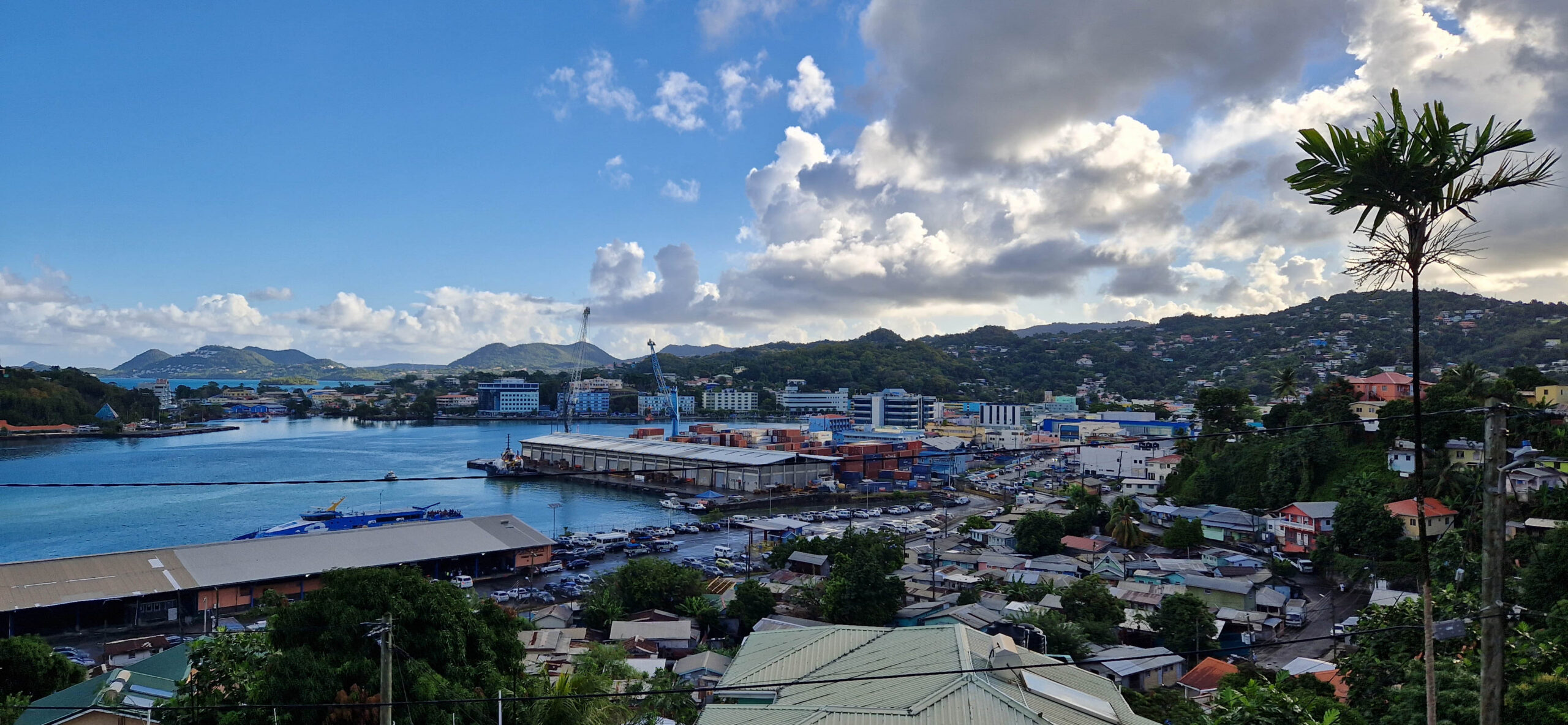
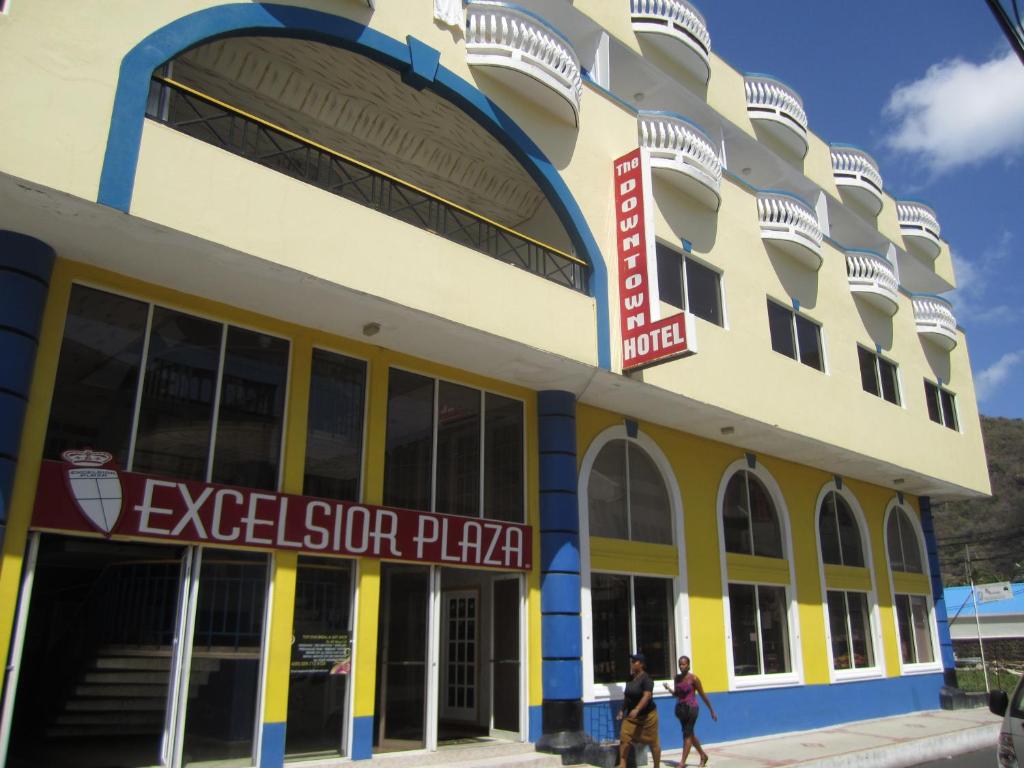
Built around its natural harbor, the city of Castries has long been a major strategic point in the Caribbean, coveted alternately by the French and the British. This position made it a commercial, cultural, and military crossroads, as well as a resilient city, repeatedly destroyed by fires before being rebuilt.
Walking through the market, you can feel this history: stalls overflow with tropical fruits (ripe mangoes, breadfruit, green bananas for boiling) alongside roots like cassava or yams, staples of the Lucian diet. Spices reflect the Creole influence: cinnamon, nutmeg, Scotch Bonnet peppers, used both to flavor dishes and to preserve food in earlier times. Freshly caught fish plays a central role. Tuna, snapper, and mahi-mahi, often sold whole, showcase a simple, direct cuisine inherited from the coastal communities.
A few steps from the bustling market stands the
Inside, the contrast is striking. Murals depict biblical scenes but with Caribbean faces, tropical backdrops, and vibrant colors. This detail, often overlooked by hurried visitors, reveals a strong intention: adapting an imported religion to a local identity.
After wandering the streets, crossing the market, and absorbing the city’s energy, I felt the need to escape the noise. Almost by chance, I ended up at
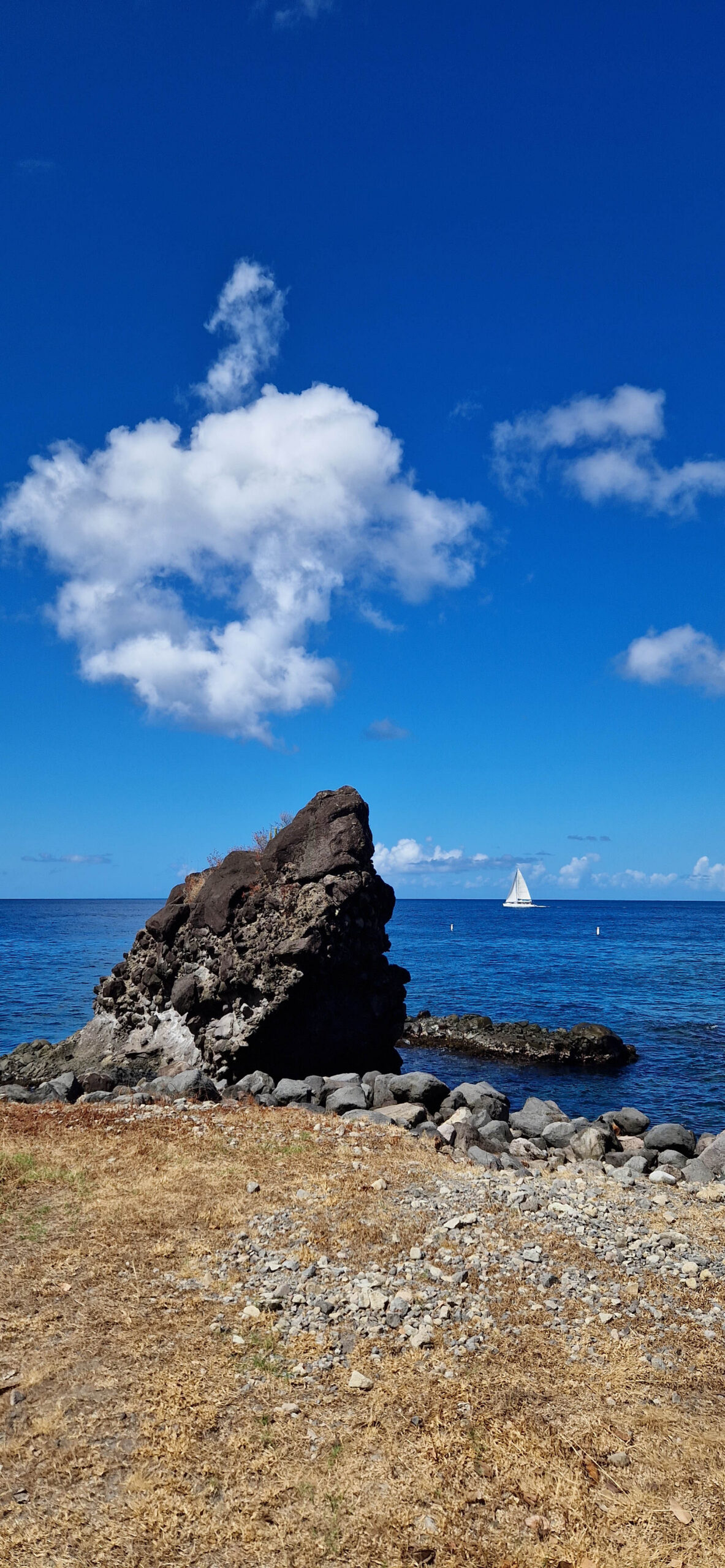
Rodney Bay and the north: relaxation and history
Northern Saint Lucia shows its most relaxed face. Here, former military strategies have given way to elegant marinas, once-wild beaches have become gathering spots, and abandoned forts still overlook now-peaceful bays.
Today,
It wasn’t until the mid-20th century that the landscape changed dramatically. The land was drained, the bay developed, and Rodney Bay Marina gradually became the second-largest yacht marina in the Caribbean. Modern sailboats replaced the warships of the past.
A few steps from the marina,
Moving on to
From the top of the fort, the view over Rodney Bay is breathtaking. Here, one truly understands why Saint Lucia changed hands 14 times between France and England. Geography speaks for itself: a natural harbor, a central position in the Caribbean, and perfect visibility over maritime routes.
After this immersion in history and landscapes, the day naturally culminates in
La Soufrière: raw nature and traditions
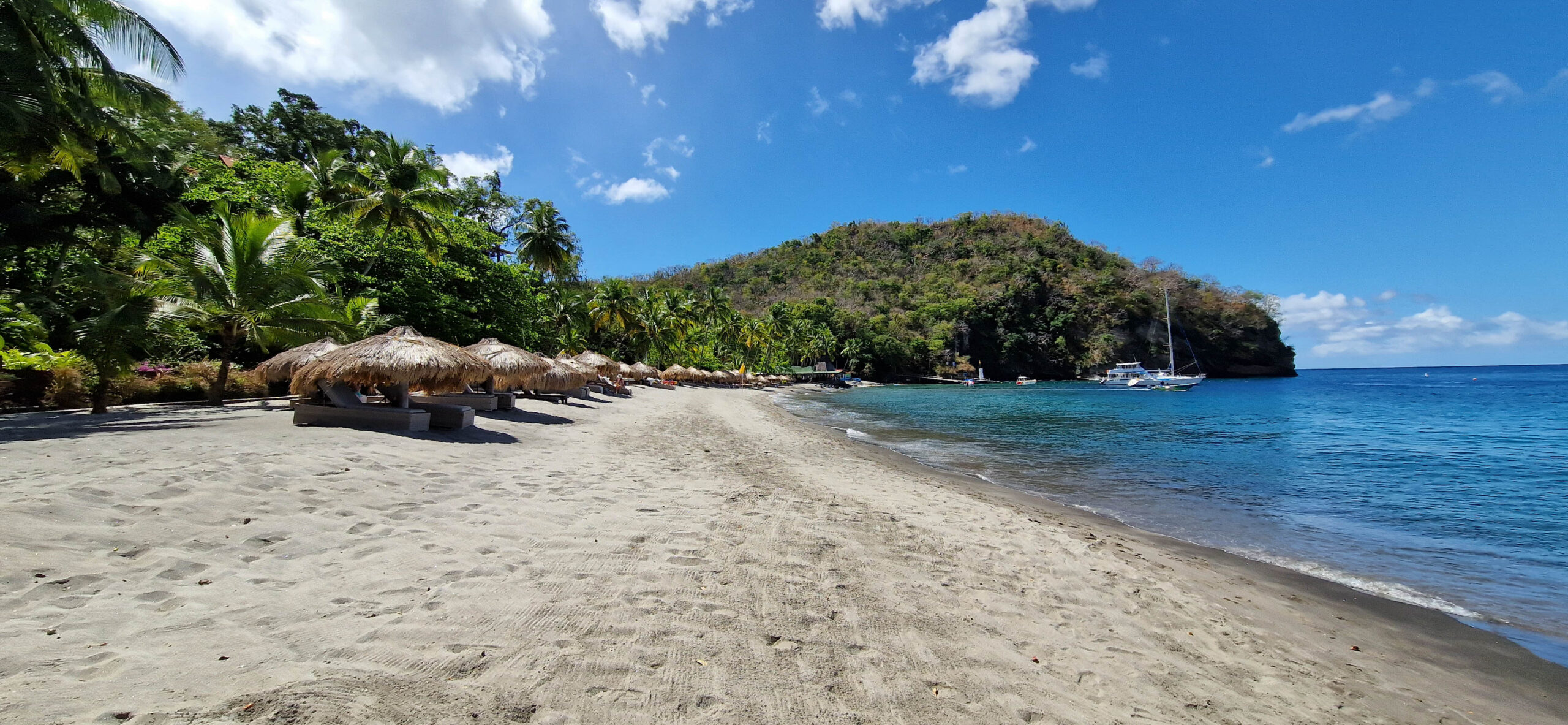
At
After the tension of the ascent, La Soufrière offers an almost immediate contrast with its natural hot springs and volcanic mud baths. According to local tradition, these baths have therapeutic properties, relieving muscles and calming the mind. Believer or not, your body naturally relaxes. Don’t miss the
A few minutes away, the scenery shifts again.
The importance of cocoa plantations is impossible to ignore, deeply rooted in Saint Lucia’s history. Introduced during the colonial period, cocoa cultivation long structured rural life. Some plantations, still active, now welcome visitors, such as
Here, cocoa is grown under the tropical forest canopy, hand-harvested, fermented, and dried. Artisanal chocolate tastings conclude the visit, revealing powerful flavors far from industrial production.
Finally,
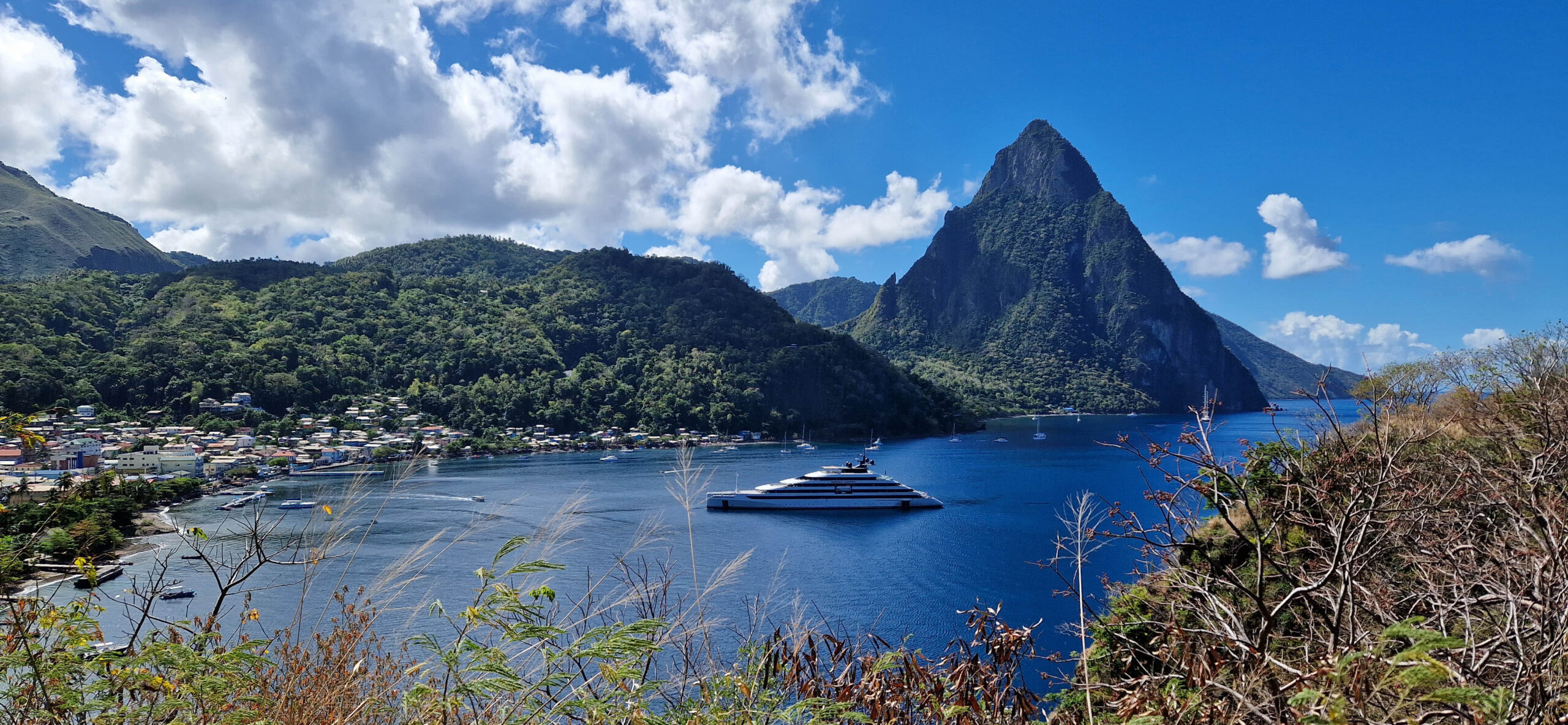
Vieux-Fort and the wild south
The southern part of the island, much wilder and calmer, remains the last stop before taking your flight from the international airport. Off the usual routes,
At the extreme south of Saint Lucia,